Paid in Arrears: Meaning, Payroll, Billing, and Accounting
By ALFAA Team
Stay in the loop
Get finance tips delivered to your inbox.
Quick Answer
Paid in arrears means paying after the work, service, or period covered by the payment. In payroll, it usually means an employee receives wages after the pay period ends. In billing, it means a business invoices after delivering a service or measuring usage.
Being in arrears can also mean that an amount is overdue. The phrase alone does not tell you whether a payment is late. Check the work or service period, the agreed due date, and the rules where the work or transaction took place.
The three common meanings of arrears
Payroll arrears: An employer pays for completed work on a later scheduled payday.
Billing in arrears: A business sends an invoice after a service period or usage period ends.
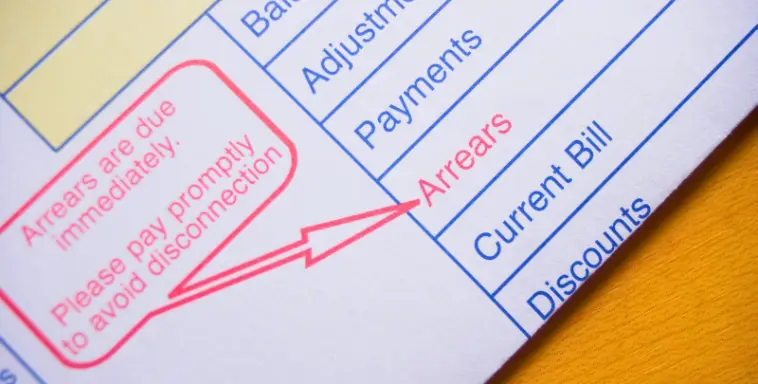
An account in arrears: A customer has not paid an amount by its due date, so a balance is past due.
This distinction answers the common question what does arrears mean? The paid in arrears meaning is usually about timing. Account arrears usually refers to an unpaid balance. Context matters.
What does paid in arrears mean for payroll?
What does paid in arrears mean? It means the employee is paid after completing the work period the wages cover. That is a common payroll schedule, not automatically a late payment. A paycheck in arrears should still arrive by the employer’s scheduled payday and within any applicable legal deadline.
Keep three dates separate:
Pay period: The dates when the employee did the work.
Payroll cutoff: The deadline for entering or approving hours for that payroll run.
Payday: The scheduled date the employer pays for the completed period.
A simple payroll example
Suppose the pay period runs from April 1 through April 14. The employer closes time entry on April 14 and schedules payday for April 20. The April 20 paycheck covers work performed from April 1 through April 14. The payment is in arrears because it follows the work period.
If a new employee starts on April 10, the first check might cover only April 10 through April 14. The next check might cover the full following pay period. Ask the employer for the payroll calendar to confirm the dates covered. Pay frequency alone, such as weekly or every two weeks, does not tell you the first payday or the period included on the check.
What does one week in arrears mean?
One week in arrears means payment follows the week of work by about a week. For example, work completed from Monday through Sunday could be paid on the following Friday, depending on the employer’s payroll calendar and local requirements.
One month in arrears or monthly in arrears means payment follows the month in which the work was done. If September work is paid in October, the wages are paid after the September period. The precise dates depend on the contract or payroll schedule. Monthly arrears does not automatically mean overdue wages.
Arrears versus current pay and advance pay
Arrears versus advance is a timing difference:
With payment in arrears, work or service happens first and payment follows.
With payment in advance, payment happens before the future work or service is completed.
With current pay, payment is made close to the time work is performed. Some employers may need later adjustments if actual hours differ from estimates.
Salary arrears is a different phrase. It often means a salary that should have been paid earlier but remains unpaid, or a catch up payment correcting an earlier shortfall. Routine payroll in arrears means the scheduled paycheck follows a completed period. Check the pay period and payday to tell which meaning applies.
What does billed in arrears mean?
Billed in arrears means a business sends a bill after delivering the service, goods, or measured usage that the bill covers. For example, a consultant may record work throughout September and send an invoice on October 1. The invoice is for completed work, so the client is billed in arrears.
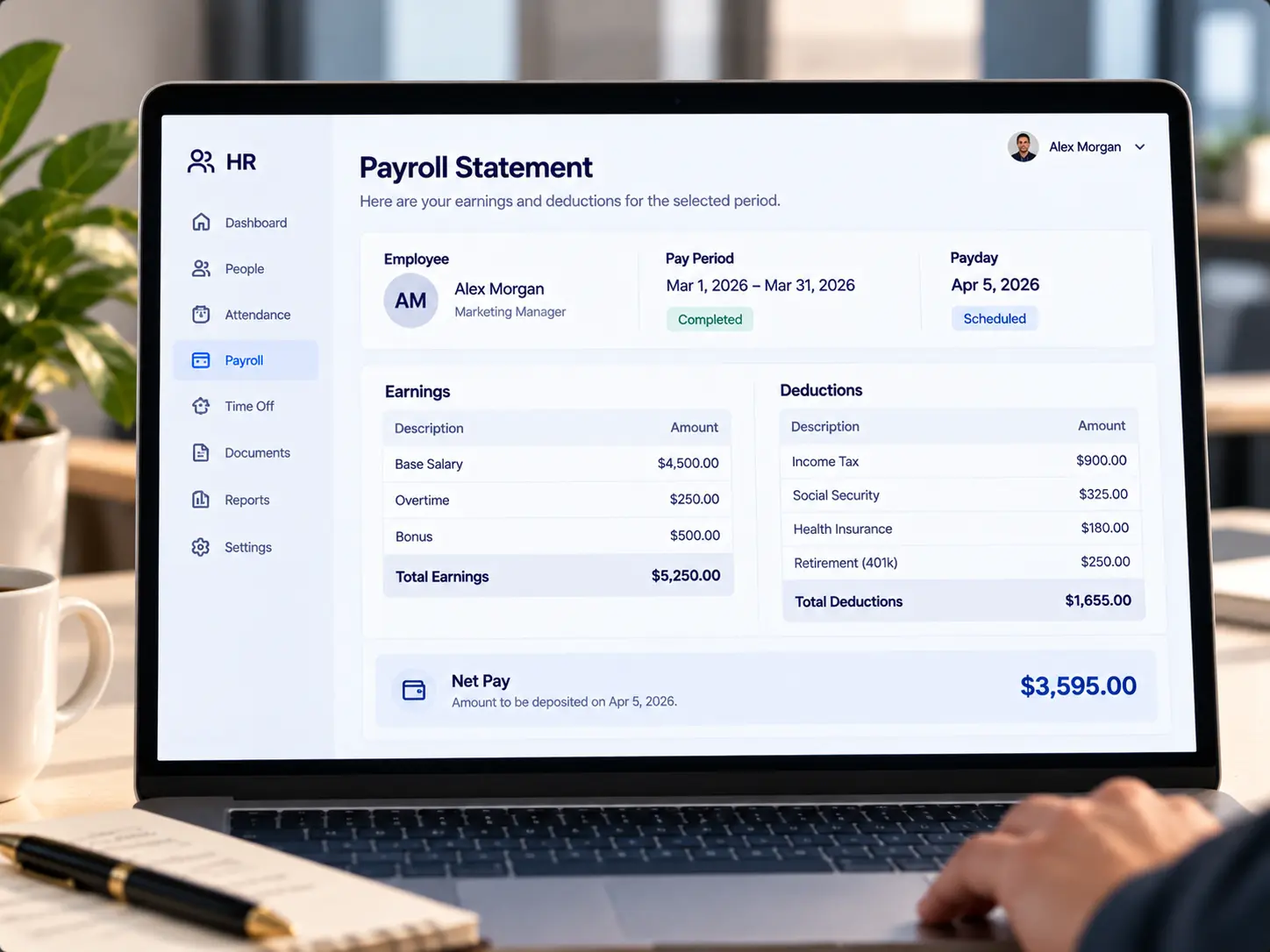
An arrears invoice may still have payment terms such as due in 15 or 30 days. The billing date and the due date are different. The invoice is not past due merely because it was issued after the service period. It becomes overdue if the client misses its due date.
This is the practical billing in arrears definition, and the answer to what does billed in arrears mean? It describes when a business calculates or sends a charge, not whether the customer has paid late. Invoicing in arrears is common when the final amount depends on hours worked, usage, deliveries, or services provided during the period.
For example, a subscription company might provide access throughout September, calculate the customer’s usage after the month ends, and then invoice that amount. That is a monthly billing in arrears arrangement. A fixed monthly subscription charged at the start of September is instead billed in advance.
What does it mean for an account to be in arrears?
An account in arrears generally has an amount that was due but remains unpaid. The arrears balance is the amount still outstanding. It might be one missed payment, several missed installments, or the remaining part of a partly paid invoice.
For example, if a 900-dollar invoice is due and the customer pays 600 dollars by the due date, the remaining 300 dollars may become part of the arrears balance, depending on the agreement and local law. Before paying or disputing an arrear amount, check whether the statement includes fees, interest, or other unpaid invoices. To pay the arrears means to settle the past due amount.
The phrase payment arrears is often used for overdue installments. Payments in arrears can also refer to ordinary payments made after a completed period. Those terms are not interchangeable in every sentence. Look for the due date and the period the payment covers.
Arrears meaning in accounting
In accounting, arrears can describe either timing or a past due obligation. A business may pay a vendor after receiving goods or services according to agreed payment terms. The vendor payment is made after delivery, but it is not overdue if it is paid by the invoice due date.
Payroll can also cross an accounting period. Employees may have earned wages before the business sends payment. Under the business’s accounting method, the earned but unpaid amount may need to be recorded as accrued payroll or a payroll liability. A month end review can reconcile hours, gross wages, employer payroll taxes, deductions, and the later cash payment.
The phrase arrears payable is not a universally standardized account name. It may be used informally to describe an overdue payable or an accumulated amount due. Check the ledger label, source invoice, due date, and accounting policy before deciding what it means.
Dividends in arrears
Dividends in arrears is a separate corporate finance term. It commonly refers to accumulated but unpaid dividends on cumulative preferred shares. Under the share terms, accumulated dividends may need to be paid before a company pays dividends to common shareholders.
Under U.S. accounting guidance, cumulative preferred dividends generally are not recognized as a liability until the company has an unconditional obligation to pay them, often when the dividend is declared. Particular security terms can change that analysis, so companies should consult applicable accounting guidance.
Is payroll in arrears legal?
There is no single worldwide rule that sets the same payday interval for every employee. Payroll laws vary by country and sometimes by state, province, worker category, or industry. A phrase such as “one week in arrears” does not itself establish that a schedule is lawful.
Employees should check the law where they work. Employers should confirm the required pay frequency, deadline, treatment of overtime, final wages, weekends, holidays, and any collective agreement or contract before setting a payroll calendar.
U.S. payroll examples
The U.S. Department of Labor says wages required by the Fair Labor Standards Act are due on the regular payday for the pay period covered. State law can add specific payday frequency and timing requirements. The Department’s state payday chart shows that rules vary, but it was last revised in 2023. Check the current guidance from the relevant state labor agency before making a compliance decision.
For example, New York generally requires manual workers to be paid weekly, while clerical and other workers must be paid at least twice per month. California generally requires pay at least twice during each calendar month, with timing rules and exceptions for certain groups. These examples are specific to those states and should not be generalized to all U.S. workers.
A weekend or holiday payday may also be subject to local rules. California guidance permits payment on the next business day in a stated circumstance when a designated payday falls on a holiday and the employer closes. Do not assume that rule applies in another state or country. Check the local labor authority and the employer’s published payroll calendar.
Overtime has its own rules. For covered nonexempt employees, federal law generally requires overtime pay for hours worked over 40 in a workweek. The Department of Labor says overtime earned in a workweek normally must be paid on the regular payday for the pay period in which the wages were earned. State rules may add requirements.
What to do if a paycheck is missing or short
If a scheduled payday passes or a paycheck appears short, take these steps:
Compare the pay period printed on the statement with the hours you worked.
Check the rate, gross wages, overtime, commissions or tips, deductions, and net pay.
Save the pay statement, time records, payroll calendar, and messages about the payment.
Ask payroll or human resources for the specific dates and amounts being corrected, plus an expected payment date.
If the issue is unresolved, contact the labor authority for the location where you worked.
A time entry problem does not automatically mean the work was unpaid or cancelled. Keep your own records and ask the employer how it will correct the entry. The rules for missing timecards and wage corrections vary by jurisdiction.
How a business can change its payroll schedule
Moving from current pay to payroll in arrears can make one transition period feel longer. Before changing the schedule, map each work period to one paycheck. Show the last check under the old schedule, any transition check, and the first check under the new schedule. Make sure no work period is omitted or paid twice.
For example, label the checks in order: “Check A covers March 16 to March 31,” “transition check covers April 1 to April 14,” and “Check B covers April 15 to April 30.” Then attach the planned pay date to each line and verify the sequence against local law. Employees should be able to see which work dates each amount covers, rather than having to infer a missing week from deposit dates.
Employers should communicate the dates covered by each check, confirm the change complies with applicable law, and provide a contact for employee questions. Do not treat communication or employee agreement as a replacement for wage laws.
Cash flow for small businesses
Payroll is a cash outflow. Customer invoices are cash inflows. A late customer payment may make planning harder, but it does not make delaying earned employee wages a safe cash management plan. Forecast payroll dates and taxes separately from accounts receivable. Track which invoices are paid, pending, partly paid, or overdue so you can plan against realistic collection dates.
Alfaa’s guide to improving cash flow with invoicing tools explains billing routines, payment terms, reminders, and tracking. For late customer invoices, read Alfaa’s payment reminder strategies. Alfaa’s payment tracking feature helps service businesses see the status of client invoices. These resources address receivables and cash flow. Alfaa is not payroll software and does not determine wage law compliance.
Key Takeaway
The core meaning of in arrears is payment after a covered period, or an amount that remains unpaid after its due date. Payroll arrears and billing in arrears often describe planned timing. An account in arrears usually describes a past due balance. Check the period covered, the due date, and the rules for the place where the work or service occurred.
Frequently Asked Questions
Not necessarily. In payroll, it often means payment follows the completed work period. A payment is late when it misses the applicable scheduled or legally required due date. For a customer account, “in arrears” commonly means an amount is past due.
Payable in arrears means payment is due after the work or service period covered by the agreement. The payable in arrears meaning depends on the contract’s dates. It does not automatically mean that payment has passed its due date.
No. Employees are paid under payroll and wage laws. A genuine independent contractor usually invoices according to contract terms. Worker status depends on the actual relationship, not only on the contract label or tax form. The IRS considers factors such as behavioral control, financial control, and the relationship between the parties.
It usually means unpaid salary from an earlier period or a catch up payment for an underpayment. It is different from routine payroll in arrears, where the employee receives the scheduled paycheck after the work period ends.
It asks for the definition of arrears. The standard phrase is in arrears. Search spellings such as “in areers,” “in arears,” “arears meaning,” “arreas meaning,” and “in the rears meaning” are usually typos or variants for the same expression. In polished copy, use the standard spelling. Phrases such as “paid in the arrears” are also usually written as “paid in arrears.”

Olivia Bennett
Content Writer @ ALFAA
Olivia is a content writer at ALFAA who specializes in invoicing, small business, and productivity topics. She enjoys simplifying complex ideas into clear, practical insights that help business owners save time, get paid faster, and stay organized.